News Detail
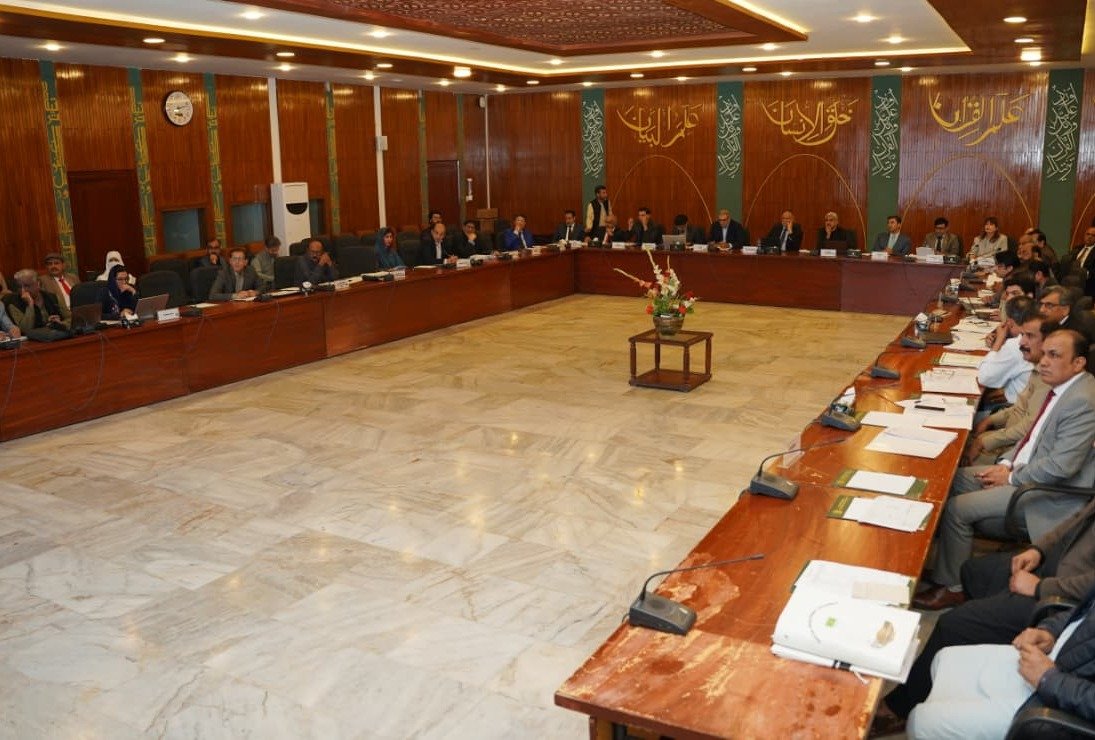
Ahsan Iqbal Emphasizes Early Childhood Development as Foundation of National Progress at International Conference
28 Apr 2026
Admin
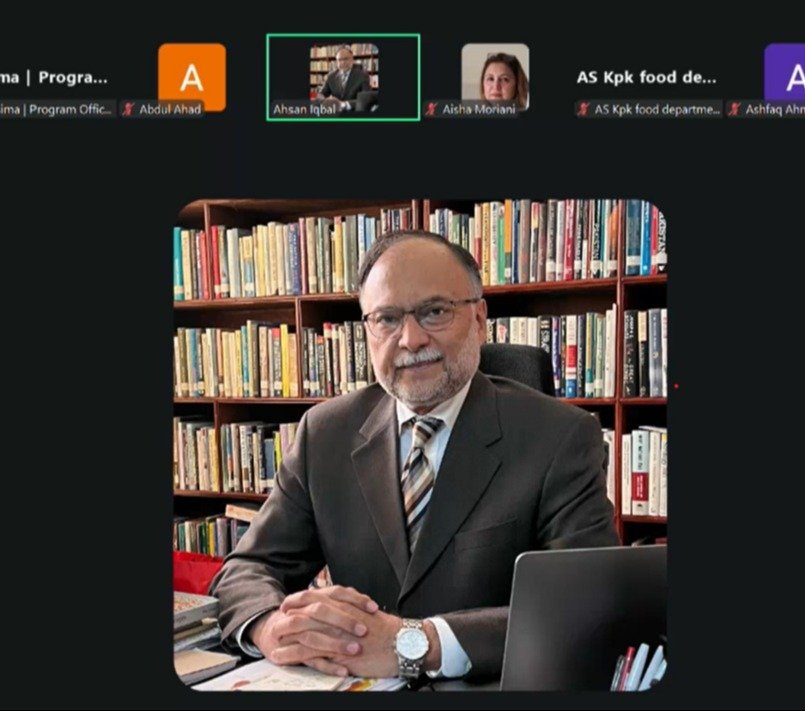
Federal Minister for Planning, Development and Special Initiatives, Professor Ahsan Iqbal underscored that early childhood represents the foundational stage from which a nation’s development trajectory truly begins, asserting that the direction of future national progress and transformation is determined during these formative years. He was addressing the Fifth International Conference on Early Childhood Development held at Allama Iqbal Open University, attended by academics, development partners, policymakers, and representatives of civil society.
The minister observed that the future of any country is not first shaped in universities or even schools, but in the earliest stages of life, beginning from the home, and the child’s initial years of care and development. He emphasised that global research consistently demonstrates that early childhood is critical for brain development, cognitive growth, emotional resilience, and long-term productivity.
Referring to international evidence, he noted that institutions such as UNICEF and WHO highlight the significance of the first 1,000 days of life, while Nobel Laureate economist James Heckman’s research shows that investments in early childhood can yield annual returns of up to 13 per cent in well-designed programmes.
Highlighting the urgency of the issue in Pakistan’s context, the minister pointed out that more than 40 per cent of children under the age of five suffer from stunting, while over half are at risk of poor developmental outcomes due to inadequate nutrition, limited early stimulation, and insufficient healthcare. He further noted that early childhood education enrolment for children aged three to five stood at only 31 per cent in 2022. Describing these figures as alarming, he termed the situation a matter of national concern, warning that compromised early development undermines the country’s ability to compete in a global knowledge economy.
Minister Iqbal stated that under the government’s “Uraan Pakistan” vision, a shift is being made from a narrow focus on physical infrastructure towards a broader human development framework centred on skills, health, and intellectual capacity. He stressed that human capital formation begins well before formal schooling and that national competitiveness depends on whether children enter school ready to learn and thrive.
Drawing on global best practices, the minister highlighted the importance of integrated policy approaches, referencing the “Nurturing Care Framework” advocated by international organisations, which combines health, nutrition, responsive caregiving, safety, and early learning opportunities. He noted that countries which have made progress in this domain have adopted coordinated systems linking multiple sectors rather than isolated interventions. In this context, he described Pakistan’s Early Childhood Development Policy Framework as a significant step forward, while emphasising the need for effective implementation, scaling, financing, and accountability mechanisms.
Outlining a national way forward, the minister called for a transition from fragmented programmes to a unified early childhood development system, integrating health, nutrition, education, and social protection services around the needs of the child and caregiver.
He further underscored the role of parents as primary caregivers and educators, advocating for structured parenting support through community platforms, health workers, and digital outreach. Emphasising equity, he called for targeted interventions for vulnerable children affected by poverty, malnutrition, disability, climate-related shocks, and social exclusion. He also highlighted the need to develop a trained early childhood workforce, establish national quality standards, and introduce outcome-based monitoring systems to track child development indicators and ensure accountability.
Addressing structural challenges, Prof Iqbal pointed to the persistent gap between knowledge and implementation, describing it as a “knowing-doing gap” that has hindered effective policy execution. He urged stakeholders to move beyond planning and commit to tangible action, stressing that sustainable reform requires both institutional capacity and political will.
The minister reiterated that early childhood development must be positioned at the core of Pakistan’s economic reform agenda, particularly under the government’s 5Es framework, where “Equity and Empowerment” is central to inclusive growth. He proposed the development of a National Early Childhood Development Compact to align federal and provincial efforts, engage academia and civil society, and set measurable five-year targets for nutrition, early education, parenting support, and workforce development.
Concluding his address, Mr Iqbal remarked that while children are often described as the future of Pakistan, they are equally a test of present priorities. He urged academia, media, and civil society to amplify focus on social sector challenges, noting that despite relatively stable economic indicators, Pakistan continues to lag behind in social development metrics. He maintained that prioritising early childhood development would serve as the most effective pathway towards building a productive, equitable, and resilient nation.